
17 novembre 2026

Committed Youth Take Action for the Lorette River
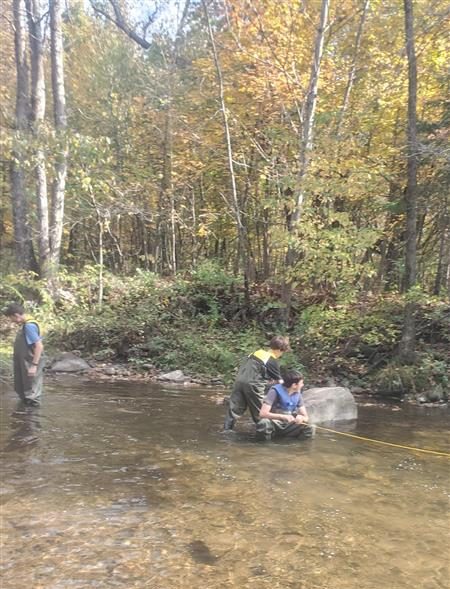
Grade 10 students at Polyvalente de L’Ancienne-Lorette mobilized throughout the school year to develop the  “United for a Healthy River!” initiative, created to improve the water quality of the Lorette River. This initiative is part of the ClimAction project – Youth, Rivers, Communities – by the Water Education and Eco-monitoring Group (G3E).

In the spring and fall of 2025, the students collected data in the field. They used several methods to do so: water analysis, site characterization, and a study of benthic fish and macroinvertebrate communities. These bioindicators indicate that the Lorette River is in poor health. The results indicate a high presence of coliforms, fecal bacteria. Furthermore, the aquatic invertebrates present were few in number, and very few of them were sensitive to pollution. The fish species caught in the seine net by the students were also pollution-tolerant.

Following their field data collection, the students met with local residents to understand their concerns, needs, and aspirations for the Lorette River. The majority of residents wanted a clear, clean, and healthy river.

The students then asked themselves the following question: How could we limit the impact of rainfall on the Lorette River?

During the 2025-2026 school year, they developed two action plans to address this issue.

Actions to Reduce the Impact of Rain on the River

The actions undertaken by the students aim to improve the water quality of the Lorette River. To achieve this, the students will complete both parts of the project on June 4, 2026.

Part One: Installation of a rain garden

A rain garden collects rainwater from an impermeable surface. The water is slowed and absorbed by plants instead of flowing into storm drains or directly into the river. Rain gardens limit flooding, filter pollutants, and promote biodiversity.

Part Two: Raising awareness among citizens of all ages

Prior to the project, a public awareness campaign was launched. Awareness posters designed by the students were displayed in Lorette businesses. Using humorous images, these posters inform the public about the impacts on water quality when people dispose of waste in the sewers. They also encourage citizens to adopt a few everyday actions to help the river!

A video produced by the students is also available on the G3E’s YouTube channel. It allows viewers to follow the students’ process in carrying out their projects.

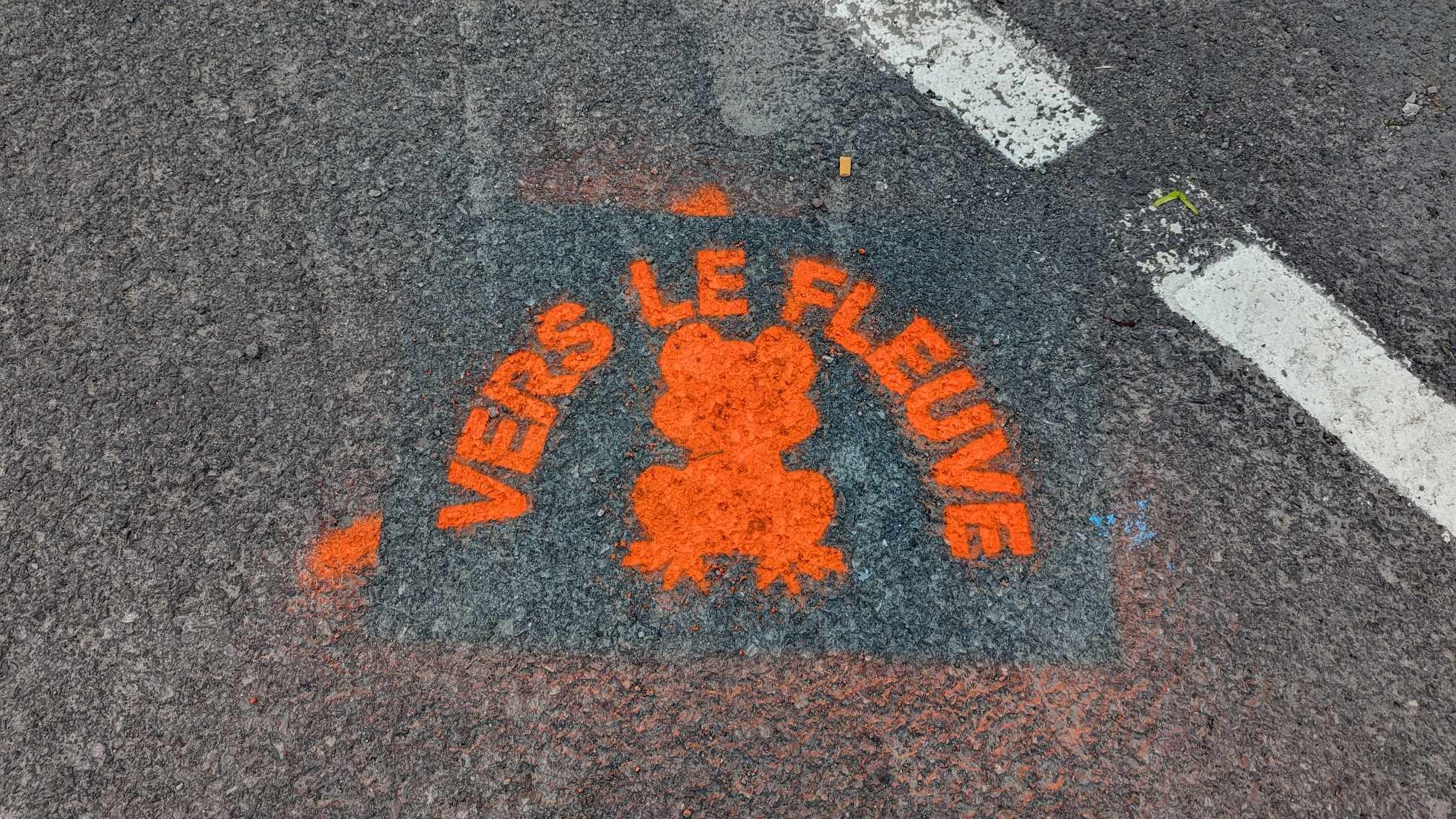
In addition, to raise awareness among citizens at the source, about twenty storm drains will be marked with a green symbol depicting an animal frequently seen in the Lorette River, accompanied by the phrase « Our River, Our Heritage. »

Animals of the Lorette River

Mallard Duck

It is frequently seen in the Lorette River in both summer and winter. It feeds on algae and small insects in the river.

Eastern Black-nosed Minnow

This is a small river fish, often called a minnow. It is distinguished by a black line running from its snout to its tail.

Green Frog

This species is frequently seen in urban waterways. It is particularly noticeable in May and June when they are calling.
How can you take action as a citizen?

Do you want to take action with the youth of L’Ancienne-Lorette to help limit the effects of rain on the Lorette River? Here are some simple everyday actions you can take to reduce the impact of runoff:

  • Don’t throw anything down storm drains (cigarettes, oil, paint, etc.);
  • Pick up after your pets outside;
  • Maintain a vegetated buffer strip near the river;
  • Raise awareness among your neighbors;
  • Replace de-icing salt with sand;
  • Limit the use of chemical fertilizers and pesticides;
  • Repair vehicles promptly when they have leaks;
  • Direct rainwater from gutters towards plants rather than onto concrete or asphalt;
  • Replace some grassy areas on your property with native Quebec plants;
  • Create flowerbeds along the edge of your property;
  • Install a rain barrel;
  • Add native Quebec plants near the river to help retain soil;
  • Create rain gardens;
  • Limit impermeable surfaces (asphalt, concrete, etc.) and use permeable paving;
  • Gently level the slopes of your property.
The importance of preserving the Lorette River

Urban rivers like the Lorette River are important ecosystems to preserve. They are present in our daily lives and improve our quality of life. Taking action is therefore essential, allowing us to:

  • Preserve our access to water for sports and recreational activities;
  • Limit the consequences of climate change such as droughts and floods;
  • Preserve our physical and psychological health;
  • Protect biodiversity;
  • Optimize ecosystem services, which are benefits we derive from nature (temperature control, air quality, etc.)
This project was undertaken with the financial support of the Government of Canada.

Plus de nouvelles

17 novembre 2026

Des jeunes engagés agissent pour la rivière Lorette

Les élèves de secondaire 4 du programme d’éducation internationale (PEI) de la polyvalente de L’Ancienne-Lorette se sont mobilisés tout au long de l’année scolaire afin de concevoir l’action Uni pour une rivière en santé!, créée afin d’améliorer la
21 juillet 2025

Le Collège Beaubois de Montréal participe fièrement au projet ClimAction – des jeunes, des rivières, des communautés.

Le 28 mai 2024, les élèves de 2e secondaire sont sortis dans le secteur du Technoparc, un milieu industriel, pour réaliser une action de sensibilisation originale et percutante.
21 juillet 2025

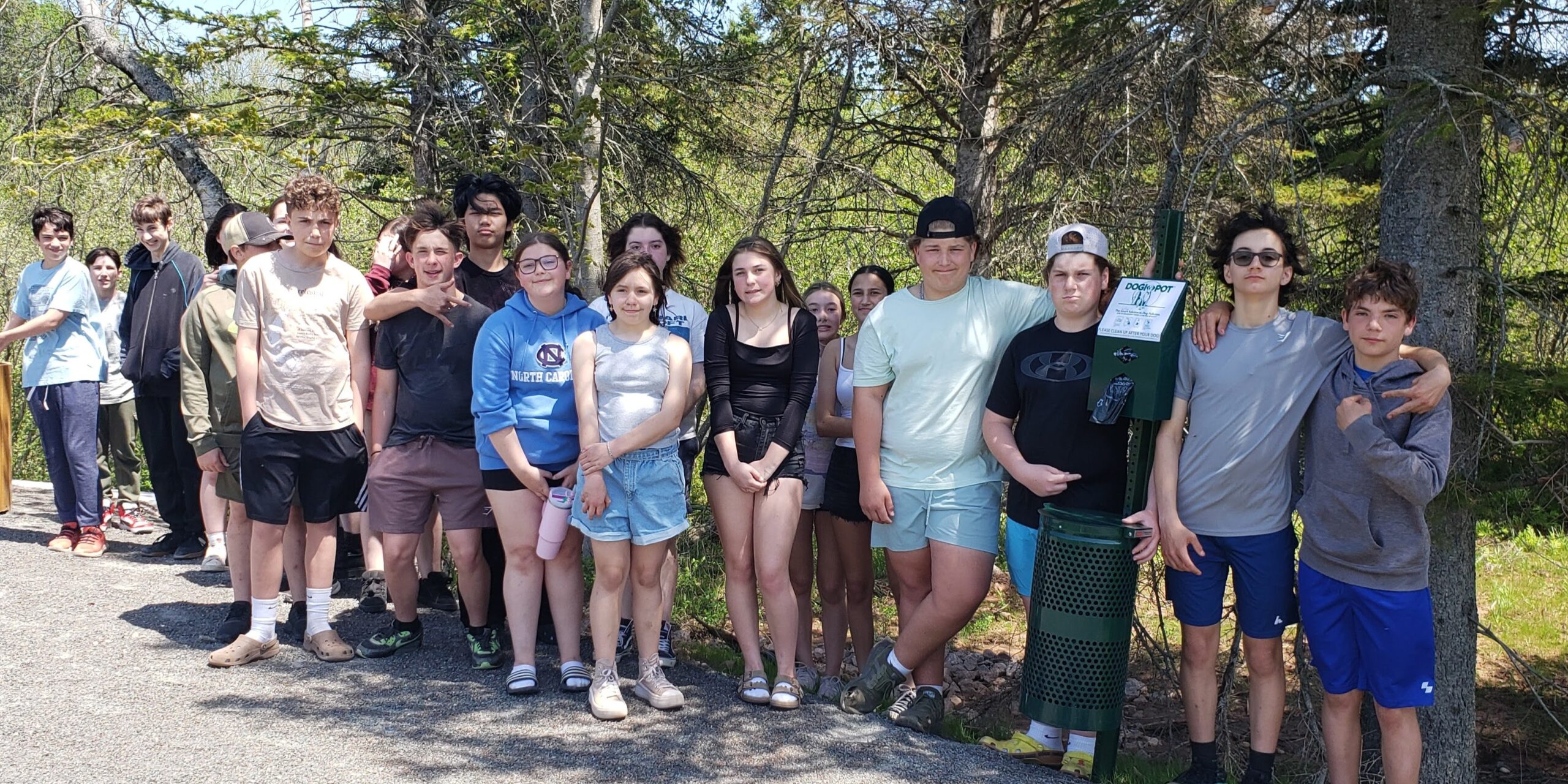
L’école Donat-Robichaud à l’action

À Cap-Pelé, au Nouveau-Brunswick, les élèves de 8e année de l’école Donat-Robichaud ont relevé un défi bien concret dans le cadre du projet ClimAction: la gestion des déchets sur un tout nouveau sentier longeant le ruisseau Friel.